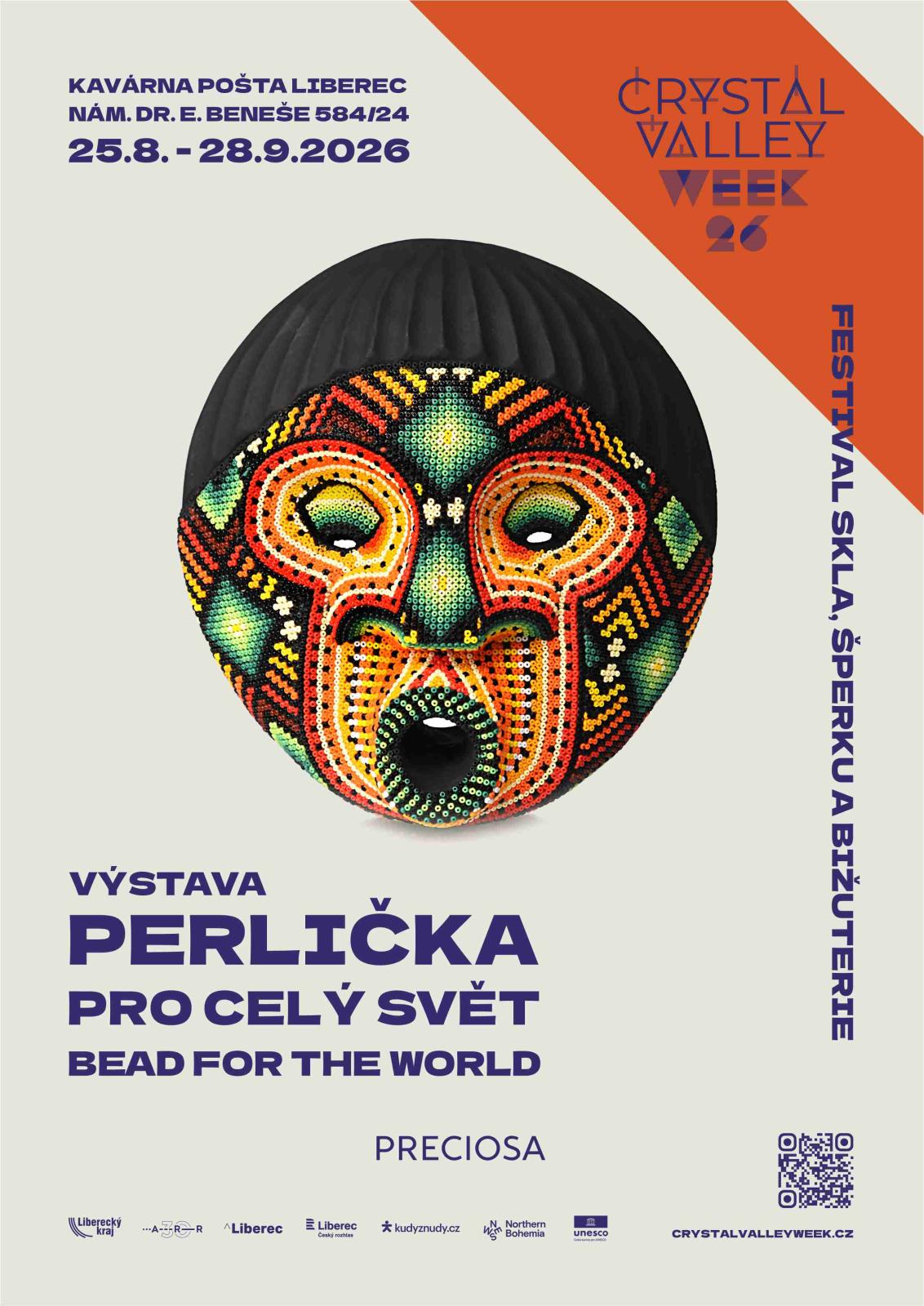

Pošta Café | Bead for the World | Preciosa
Did you know that the largest manufacturer of glass beads is based in the Crystal Valley? It is PRECIOSA ORNELA, with factories in Desná and Zásada. And that there isn’t a place on Earth where they aren’t known? Neither renowned fashion designers in modern metropolises nor indigenous tribes at the ends of the earth can do without them. Why?
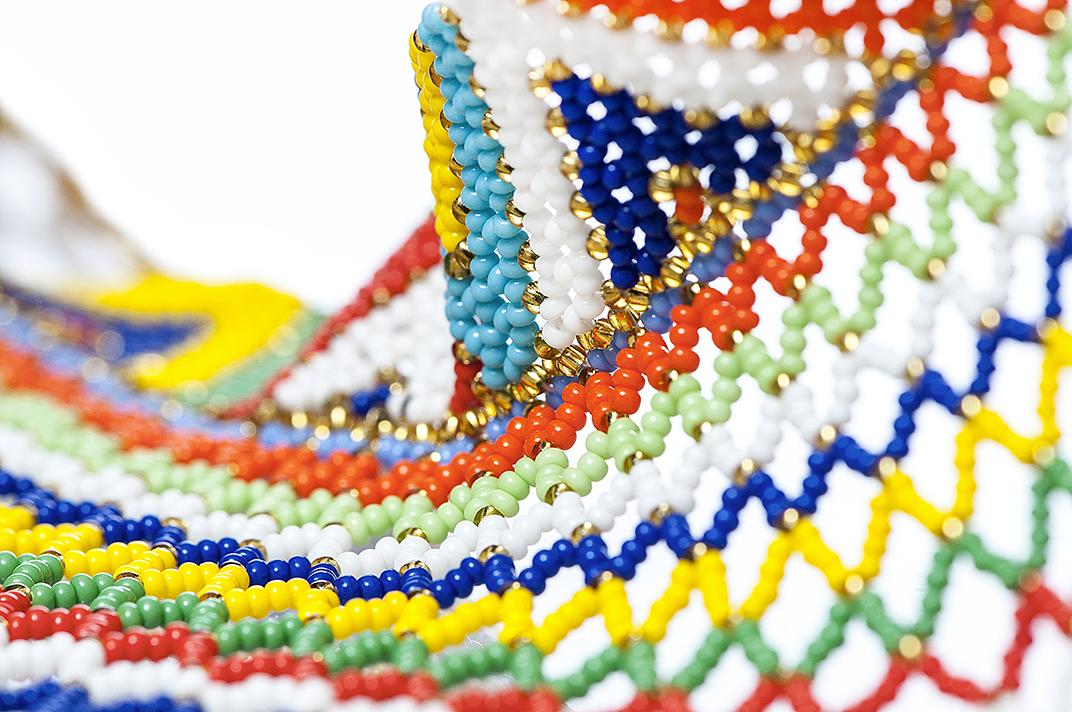
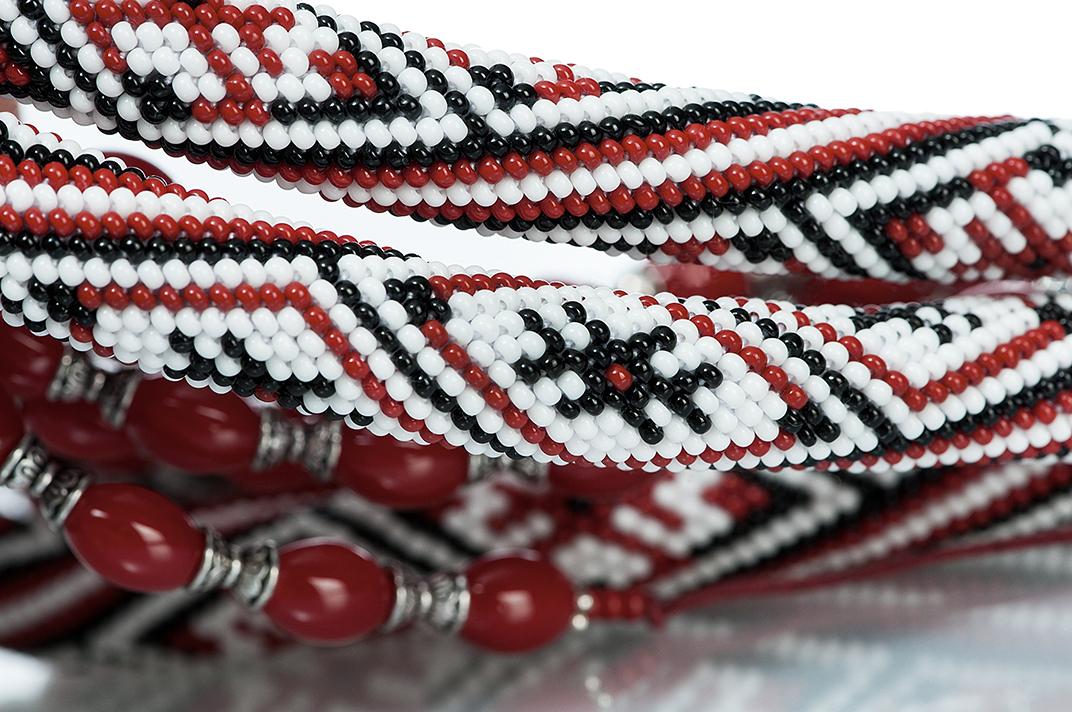
The big things in life are often made up of small ones—in the case of beads, even tiny ones. Although there is an endless variety of shapes today, they are mostly round and colorful, just like our planet. Thanks to the hole in the center, they can be strung or sewn on, used to create whole worlds of their own. And it’s far from just about decoration. Through the chosen color combination, it is possible to communicate wordlessly with those around you; they can serve as a symbol or a magical object—perhaps a protective amulet, or even currency.
Glass beads became established in northern Bohemia in the 18th century. At that time, glassmakers from the Jizera Mountains began cutting them from glass tubes and shaping them into round or faceted forms. They drew inspiration from Italian products from the Venetian island of Murano, but soon surpassed them in quality and variety. By the mid-19th century, thanks to exporters from the Jablonec region, Czech seed beads were being shipped in large quantities to customers on every continent. Europe was soon joined by North and South America, Africa, Asia, and Australia. Some used middlemen for trade, while others, such as Albert Sachse or the Jäckel brothers, exported their goods directly. And very successfully. Sachse became so wealthy that he co-owned the world’s largest seed bead factory in Venice and financed research expeditions into the heart of Africa; before World War I, Ernst Jäckel served as the Austrian consul for Nigeria, the Gold Coast, Sierra Leone, and St. Helena.
In addition to indigenous African tribes, the Native Americans—the Indians—could not imagine life without glass beads. After all, legend has it that the Dutch acquired the island of Manhattan, the heart of New York, from them in the 17th century in exchange for these very beads. Some researchers even claim that the availability of bead colors determined the style of traditional clothing among North American Indian tribes. While on the eastern coast of the continent, closer to Europe and major trading ports, the indigenous peoples had easy access to a variety of colors, in the west and in the interior of the continent, they were mostly limited to white, black, or brown—colors that did not sell in the East.
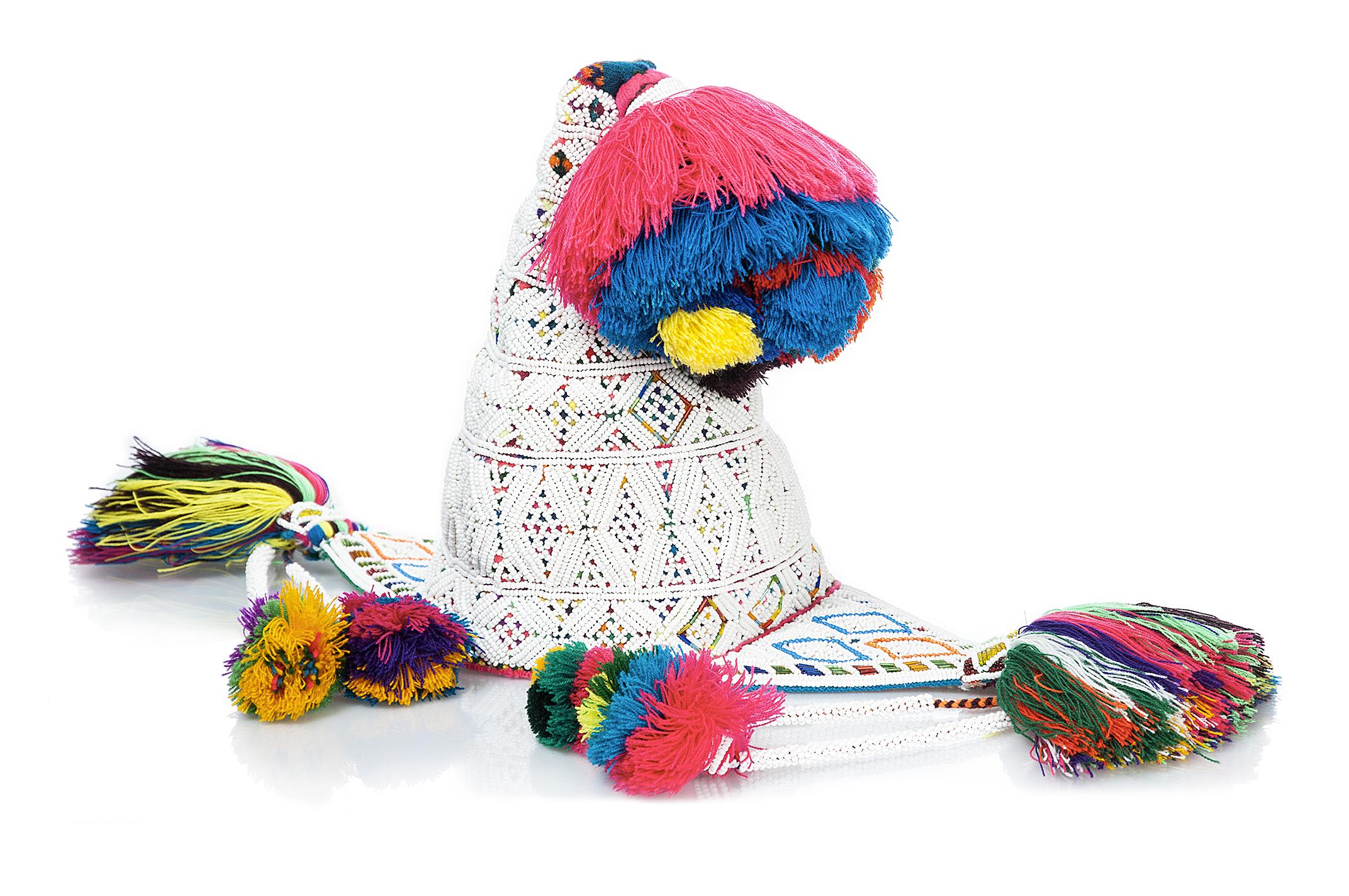
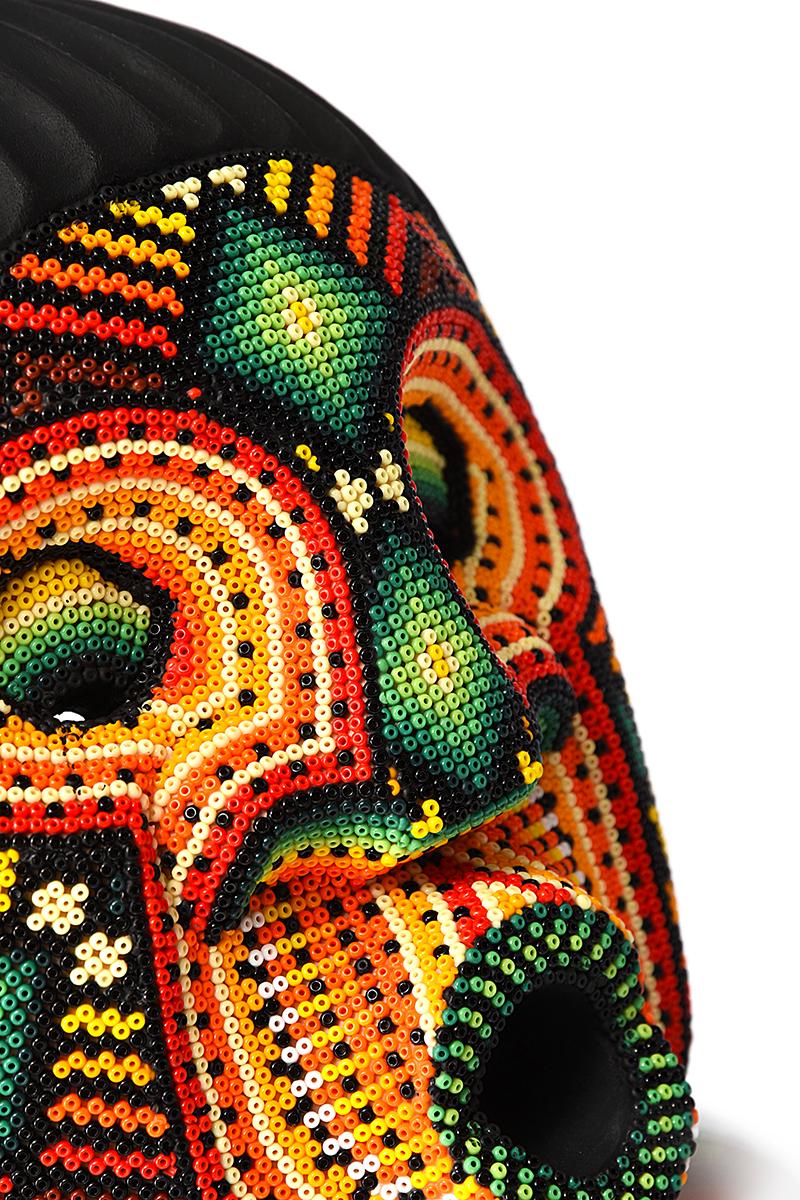
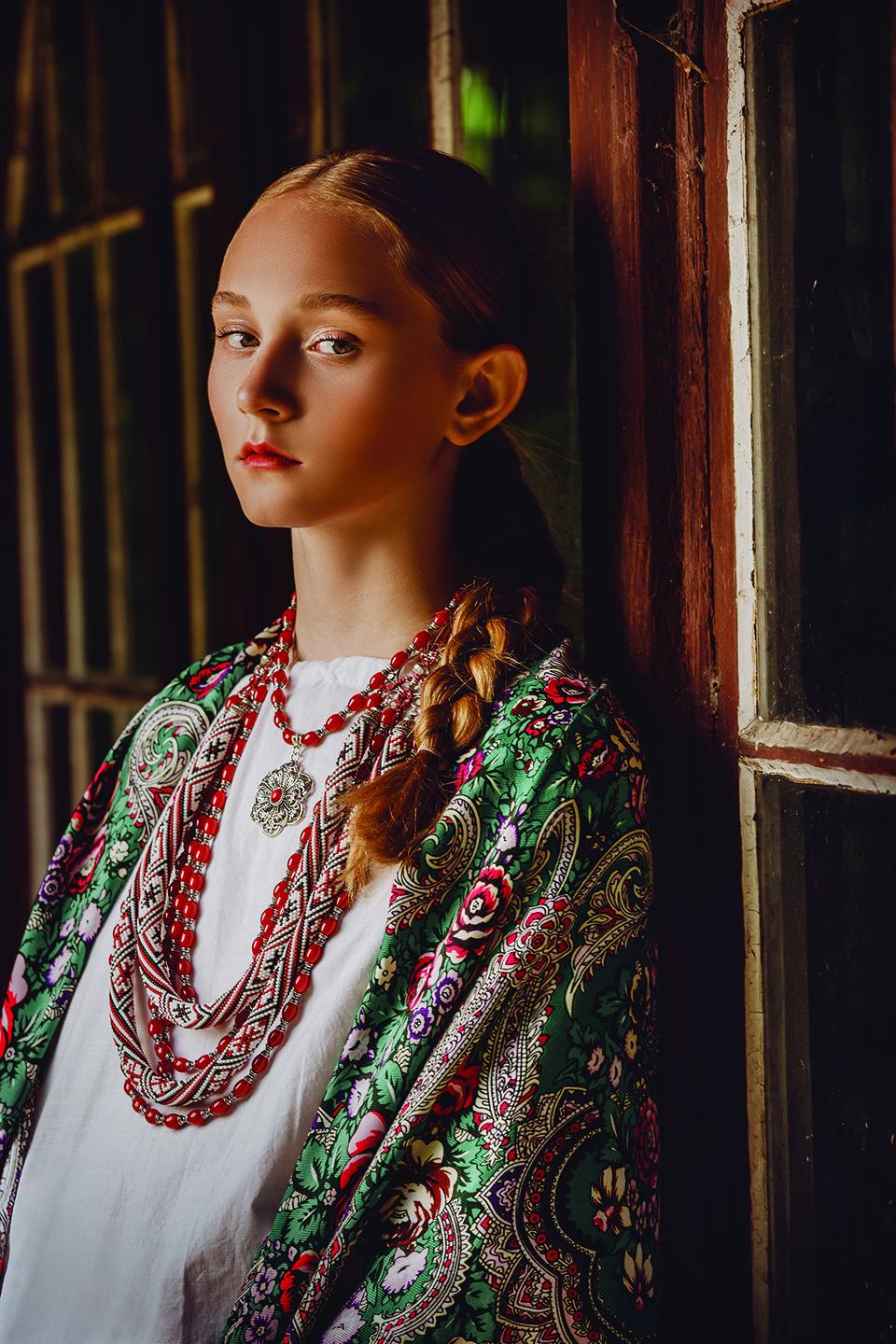
The exhibition "A Bead for the World" presents this tiny glass ornament as it is perceived and used by people living tens of thousands of kilometers away from where it is made. They are the ones who crafted the pieces you can see here. Their skill, taste, and spirit are imprinted in them. For the glass bead is a true bridge between people of different cultures, faiths, interests, and aspirations. A bridge full of imagination, just like life itself.
Exhibition Hours
August 25 – September 28, 2026, 10 a.m.–6 p.m. (Tue–Sat)
/Closed Sundays and Mondays/
Opening Reception August 24, 2026, 5:00 PM
Guided tours of the exhibition with Petr Nový
August 28, 2026, 4:00–6:00 PM
Special thanks to
Policie ČR / Police of the Czech Republic